
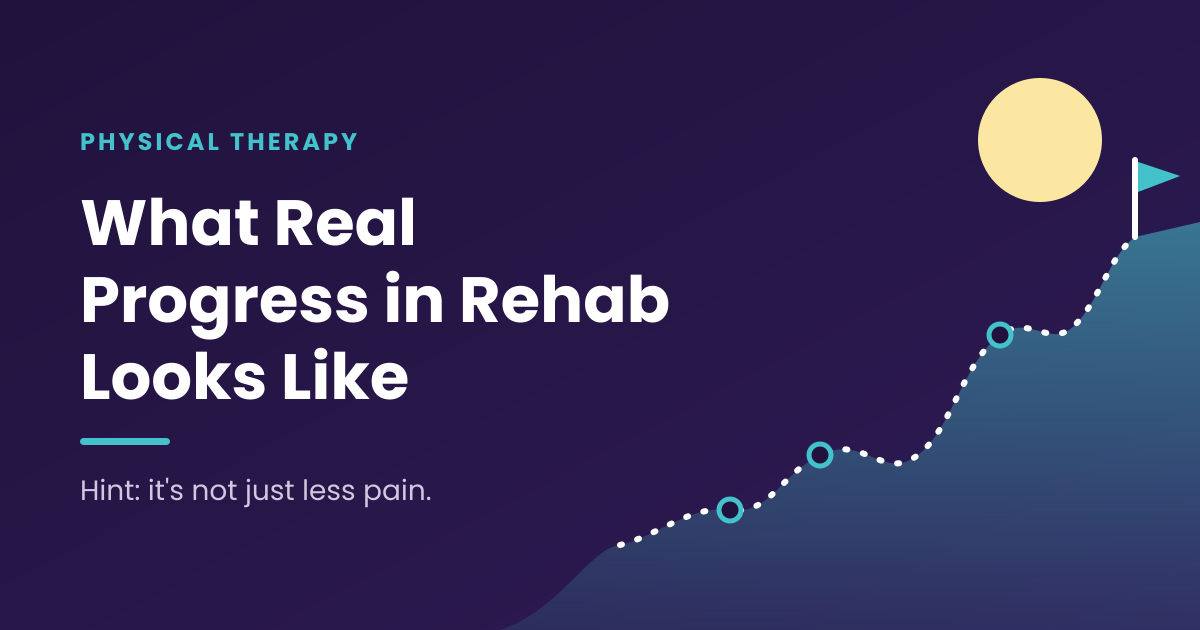
There’s more to progress than just pain relief.
You hurt your knee. Or your back. Or your shoulder gave out in the middle of a game. Now you're in rehab, and you want one thing: to feel better. Soon.
So every morning you check in with yourself. Does it still hurt? If the answer is yes, it's easy to think nothing is working.
But pain is a bad scorekeeper. Real progress often shows up in quiet ways first. Here's what to look for.
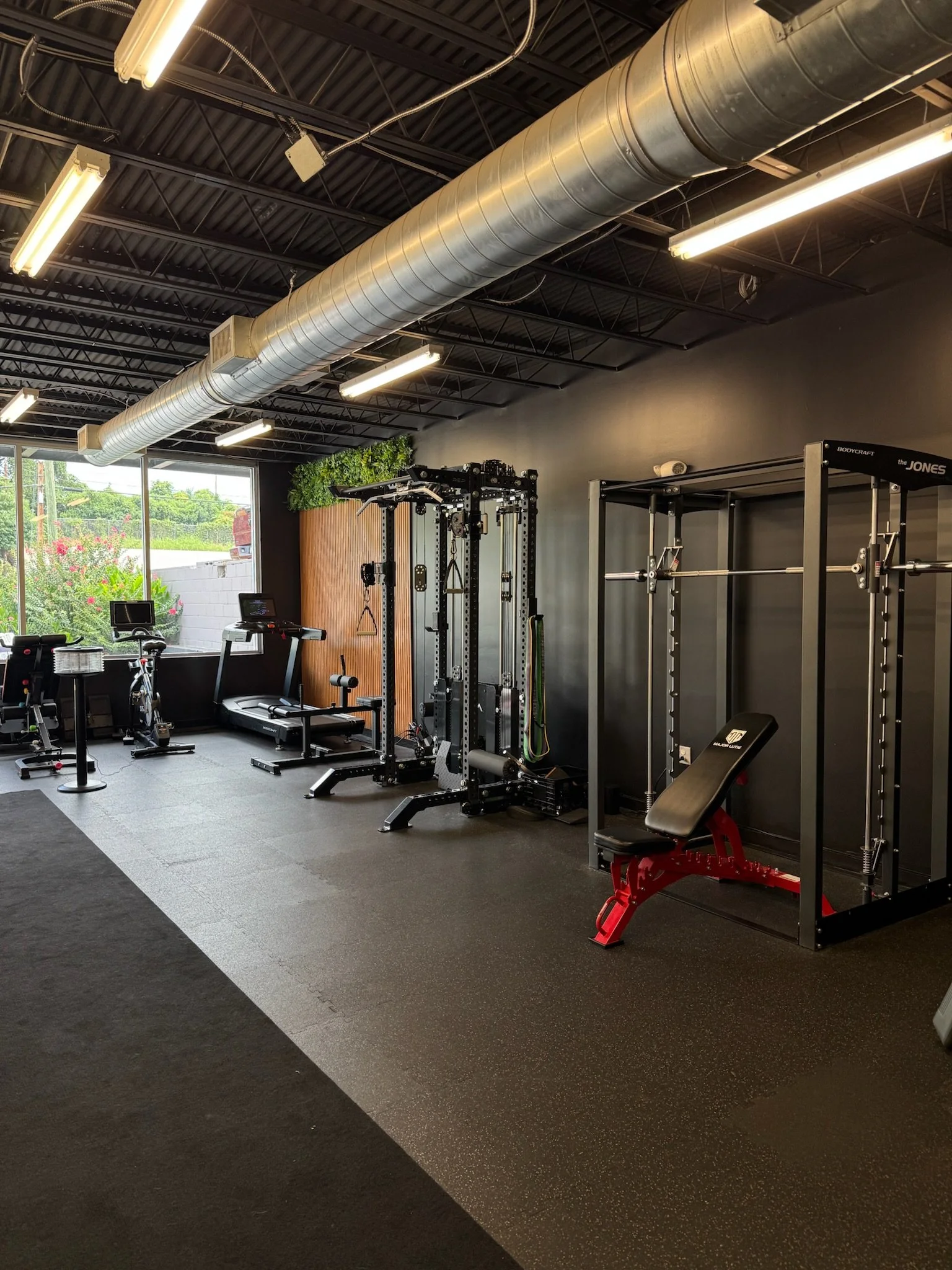
Big goals are great. But the first signs of progress are usually small. Kind of boring, honestly.
Small wins count.
Pain is only one clue…
Pain matters. But it doesn't tell the whole story.
Your body gets extra careful after an injury. It can keep sending pain signals even while it's healing just fine. Bad sleep, stress, and even cold weather can make pain go up or down, too.
So instead of only asking "Does it hurt?", try these questions:
Does it hurt less often than it used to?
Does it calm down faster after I use it?
Can I do more before it starts to bother me?
If you can say yes to any of these, you're making progress. That's true even if the pain hasn't gone away yet.
Small wins count
Big goals are great. But the first signs of progress are usually small. Kind of boring, honestly.
Maybe you walked down the stairs without holding the rail. Maybe you slept on your bad side for the first time in weeks. Maybe you put your socks on without wincing.
These are real wins. They mean your body can handle more than it could before.
Write them down when they happen. You'll forget them if you don't. On a hard day, it helps to look back and see how far you've come.
Some days will feel worse
Here's something people don't hear enough: rehab doesn't go in a straight line.
You might have three great days in a row. Then you wake up sore and stiff, and it feels like you're back at the start. You're not.
A flare-up is normal. It often happens after you do a bit more than usual, or after a long day on your feet. Most of the time it settles down in a day or two.
Think of it like hiking up a bumpy hill. If you only look at one bad day, it seems like you're going down. If you look at the whole last month, you can see you're still climbing.
You start to trust your body again
After an injury, a lot of people get scared to move. That makes sense. Nobody wants to get hurt again.
The problem is that fear can make you move in stiff, guarded ways. Over time, that can slow you down.
So here's a sign of progress people miss: the fear starts to fade. You stop thinking about every step. You bend down to grab something off the floor without planning it first. You forget about your injury for a whole afternoon.
That's a big deal. It means your brain is starting to believe your body is safe.
Getting back in the game
If you play a sport or train hard, progress looks a little different. Feeling okay isn't enough. Your body has to be ready for running, jumping, quick turns, and sometimes getting hit.
That's why a good physical therapist will test you instead of just asking how you feel. They might check:
How strong your hurt side is next to your good side
How far you can hop on one leg, and how well you land
Whether you can change direction fast without your form falling apart
A lot of PTs want your hurt side to be almost as strong as your healthy side before you go full speed. The exact goal depends on your injury and your sport.
This part can feel slow. You might feel ready before the tests say you are. Try to be patient anyway. Going back too soon is one of the most common ways people end up hurt again.
How to keep track
You don't need anything fancy. A notebook or the notes app on your phone works fine.
Once a week, write down:
Your pain on a normal day, from 0 to 10
One thing you did this week that you couldn't do before
Anything that set off a flare-up
After a month, read it all back. Most people are surprised by how much has changed. Bring your notes to your PT, too. They can use them to tweak your plan.
Call your PT or doctor if:
Your pain keeps getting worse for a week or more
You notice new swelling, numbness, or tingling
Nothing has changed in a few weeks and you feel stuck
Feeling stuck doesn't mean you failed. Sometimes the plan just needs a change.
One last thing
Real progress isn't always loud. Most of the time it looks like a little less pain, a little more strength, and a little less worry when you move.
Keep showing up. Do your exercises, even the boring ones. And give yourself credit for the small stuff. It adds up faster than you think.
